Fadel Abdulghany
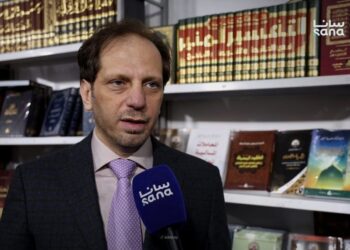
In a lengthy interview, the Syrian newspaper Al-Thawra sought the opinion of Fadel Abdulghany, director of the Syrian Network for Human Rights, regarding the issue raised, who confirmed that opening Syrian prisons and former detention centers to dramatic filming is a very dangerous behavior, legally and in terms of human rights.
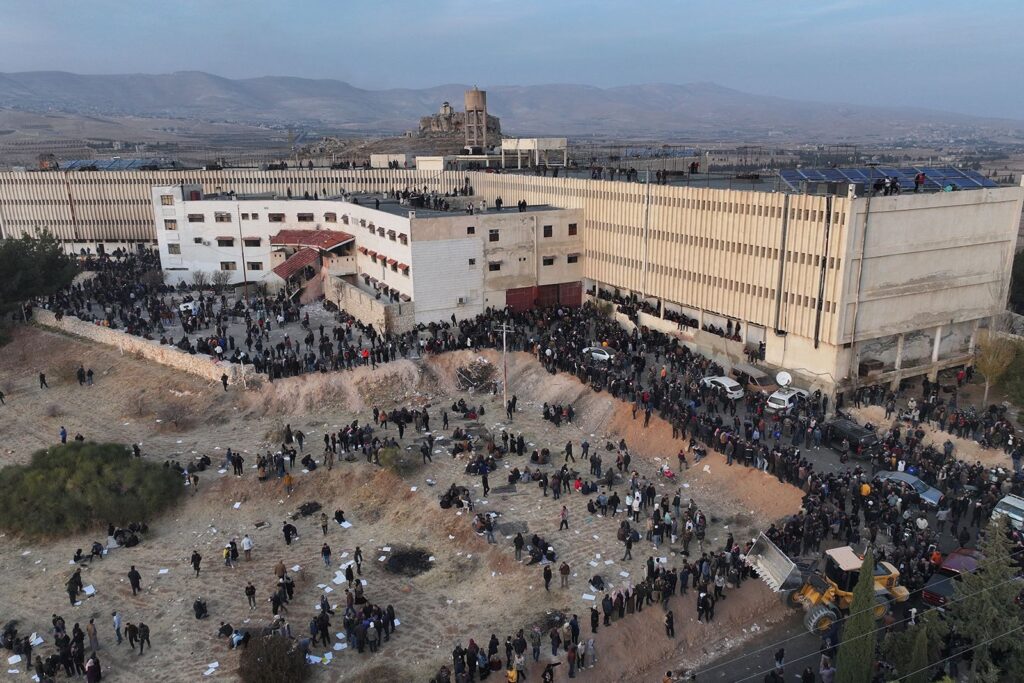
According to the human rights advocate, these sites are likely to be the scene of major international crimes, including crimes against humanity and war crimes, which means that any entry into or modification of them without strict controls could constitute a direct infringement on physical evidence that must be preserved for the benefit of subsequent criminal investigations and trials, whether at the national or international level.
Abdulghany stressed that these sites are not ordinary properties or can be disposed of as real estate, but are practically “evidence sites,” and the state and the de facto authorities have a legal duty to protect them and prevent any tampering with them. He believed that any artistic photography inside them usually entails physical changes, such as painting, removing traces, and changing doors or floors, which threatens to destroy delicate criminal evidence, including traces of blood, fingerprints, writings, and remnants of detention tools, which are crucial elements to prove patterns of torture and incidents of enforced disappearance and extrajudicial killing.
Obstructing the truth and hindering justice
Abdulghany pointed out that any destruction of evidence or alteration of the site’s features before the investigations are completed may be considered a direct obstruction of justice, especially if it is done with the permission or facilitation of public authorities, which opens the door to impunity.
The human rights activist pointed out that the United Nations and human rights organizations have repeatedly called for the protection of detention sites, and that turning them into “photographic decorations” weakens confidence in the state’s seriousness in implementing its human rights and legal obligations.
He explained that dealing with these sites should be based on the logic of “legal custody” and not “reinvestment,” calling for immediate steps that include securing the site, preventing any physical modification, and appointing an entity responsible for its management, with protocols that preserve evidence and allow the participation of victims and their organizations in any decision regarding the fate of these sites.
“Transitional Justice Does Not Begin with Filming”
Abdulghany believed that turning sites of oppression into “memory places” may be legitimate within the path of transitional justice, but on the condition that documentation and investigation take priority first, not exploiting the place in dramatic production before exhausting the requirements of justice. He warned that this use may empty the place of its human rights symbolism and turn it into a mere visual background that weakens its awareness-raising effect, and obliterates the historical testimony of the crime.
He argued that allowing filming at these sites before the investigations are completed carries a dangerous political and symbolic message, normalizing the legacy of repression and symbolically rehabilitating institutions of abuse by integrating them into the entertainment market, thus reshaping the public narrative from “torture sites” to “neutral decorations,” at the expense of society’s right to truth and justice.
A violation of dignity and a threat to the memory of the victims. He stressed that tampering with these places before full documentation not only affects the course of justice, but also represents a direct violation of the dignity of the victims and their families, by turning the sites of their pain into artistic scenes that lack recognition of responsibility, especially in a country where thousands of families still consider former prisons to be possible sites of the fate of their loved ones, which makes using them for filming a double insult and a reproduction of violence in a symbolic form.
Immediate protection and legal guarantees
Abdulghany called for adherence to international standards for the protection of crime sites, which include “an immediate suspension of any filming or restoration activity at these sites until the completion of an independent criminal and human rights assessment, the issuance of clear legal classifications that guarantee the protection of these sites, and the criminalization of any tampering or modification without judicial authorization.”
He stressed the need to establish an independent national mechanism for protecting evidence, in cooperation with human rights organizations and relevant international bodies, to ensure proper documentation and the judicious future use of the site under conditions that uphold justice and the dignity of victims. Abdulghany concluded by emphasizing that dealing with these sites must not be separated from the context of accountability and transitional justice, and that any cosmetic or artistic use outside this framework contributes to obscuring the truth and perpetuating impunity.