Civil Society Coordination Expands Efforts
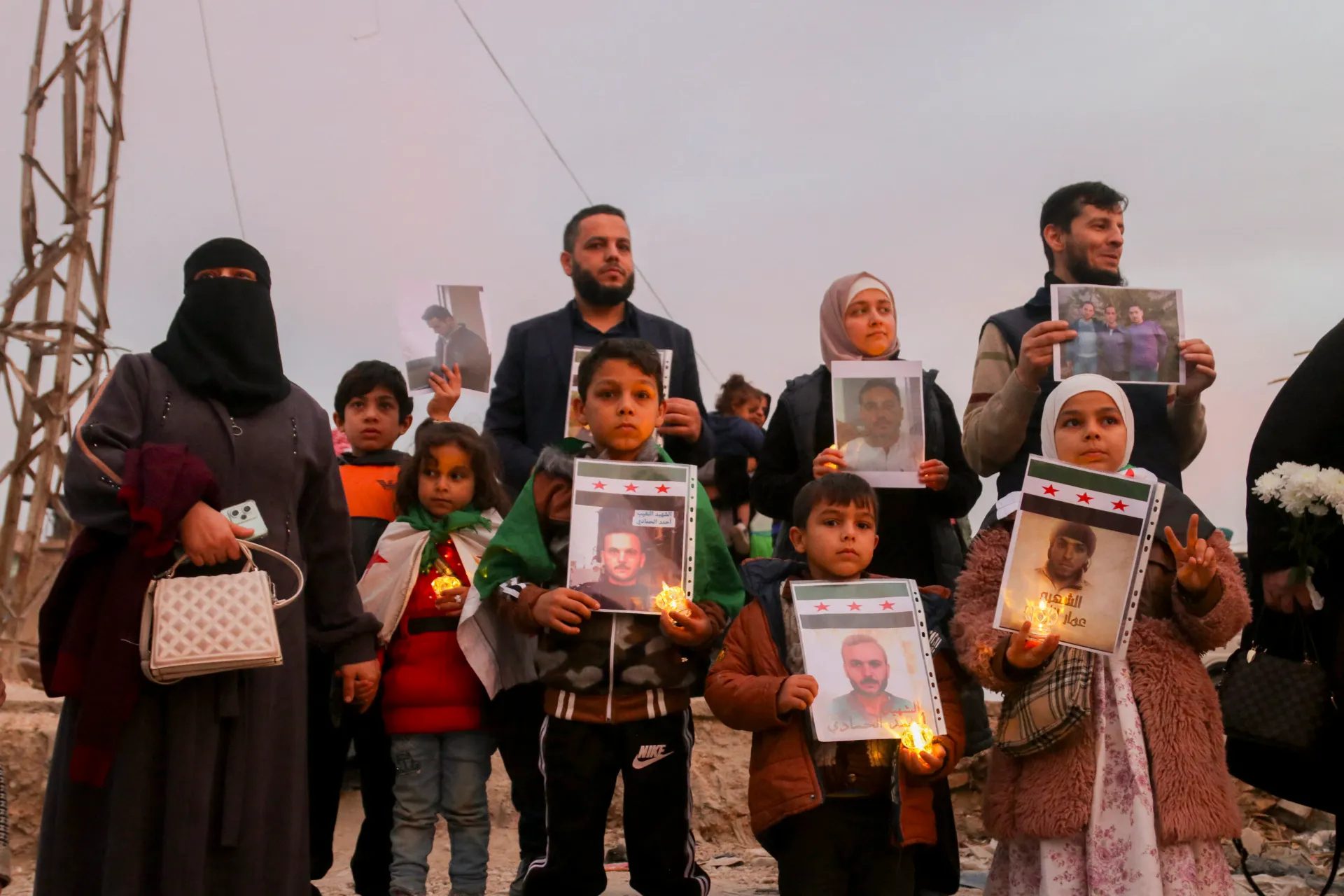
Cooperation with civil society organizations remains a central component of the registry’s development. Fadel Abdulghani, head of the Syrian Network for Human Rights (SNHR), highlighted ongoing coordination with the Commission following a meeting in Damascus on Dec. 2, 2025.
The meeting, the first of its kind between the two sides, addressed challenges facing transitional justice implementation in Syria. Both parties stressed the importance of maintaining a nationally driven process centered on victims while ensuring collaboration between official institutions and independent organizations.
Abdulghani told Levant24 SNHR holds an extensive database documenting tens of thousands of cases, including arrests and enforced disappearances, and expressed readiness to support the Commission’s work. Plans for further cooperation include joint workshops and regular coordination meetings.
Safeguards Aim to Protect Sensitive Data
The registry’s success will depend heavily on safeguards designed to prevent misuse of sensitive information. Abdulghani outlined key protections spanning legal, institutional and technical measures. He said the legal framework should prohibit sharing data with security agencies or judicial bodies without explicit consent from victims or their families, drawing on standards used by the International, Impartial and Independent Mechanism (IIIM). The principle of limited purpose would restrict data use to compensation, redress and truth-seeking.
Institutionally, he called for an independent oversight body with auditing authority, including representatives from victims’ groups and technical experts. Technically, he emphasized separating identity data from records of violations to prevent unauthorized access or misuse.
Comparative experiences, including those in South Africa, Morocco and Chile, have demonstrated how gaps in data protection can expose victims and witnesses to risk, underscoring the importance of robust safeguards.