For Fadel Abdul Ghany, executive director of the Syrian Network for Human Rights, these violations cannot be explained by the conflict alone.
“Women’s property rights in Syria were not violated solely because of the conflict, but also because of an integrated system of repressive legislation, discriminatory practices and social norms that accumulated over decades,” he told The New Arab.
He added: “The former Assad regime exploited them to turn property ownership into a tool for collective punishment and political subjugation.”
However, Fadel explained that “the fall of the regime did not automatically end violations of women’s property rights in Syria.”
He said: “If the authorities (currently) do not take the initiative to establish effective mechanisms for returning property, providing compensation and reforming the legislative framework, thousands of women will remain deprived of their rights even after the end of the conflict.”
He stressed that “it is impossible to build a new Syria on a fair foundation without restoring seized property rights and enabling women to exercise their legal and economic rights on an equal footing (with men).”
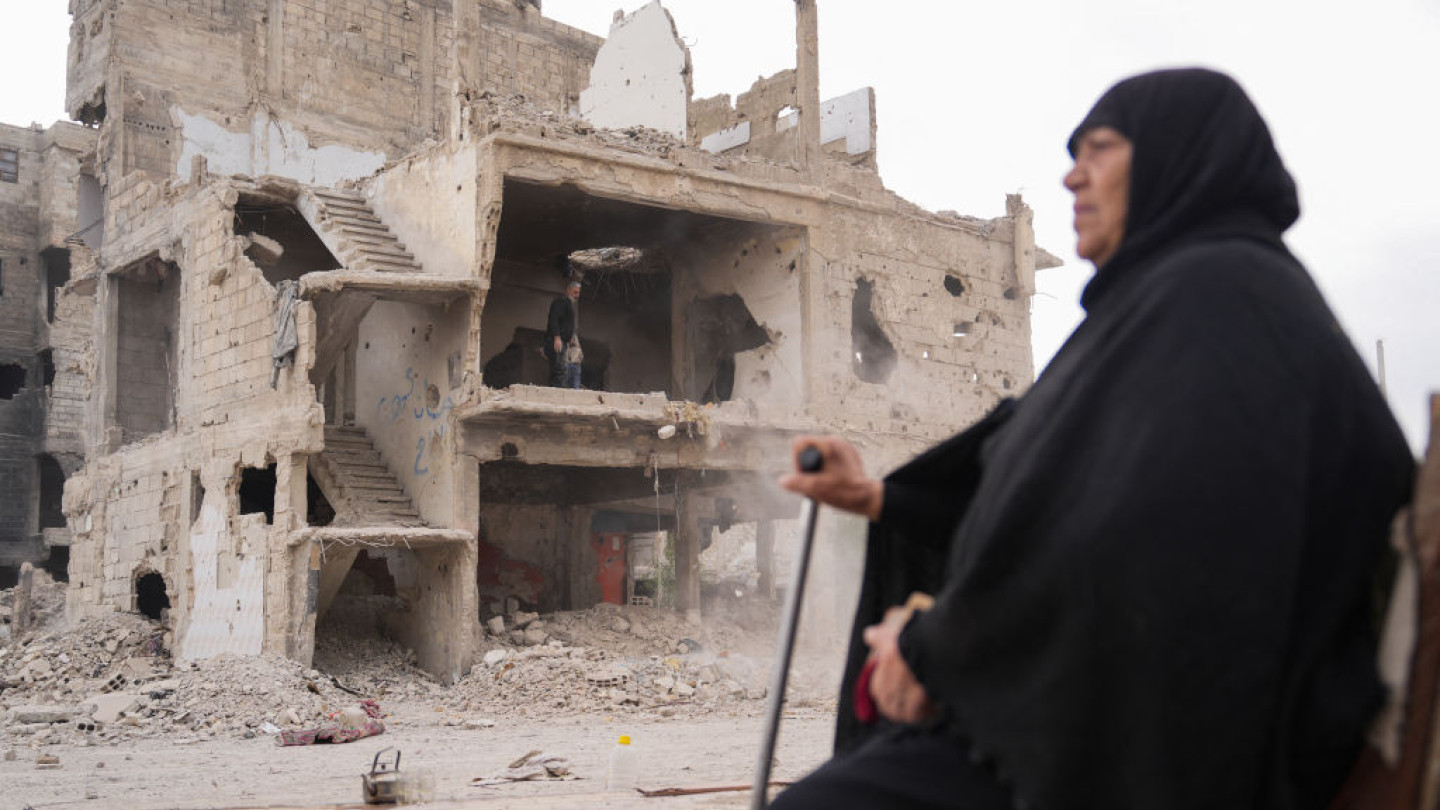
The impact of these violations is evident in the testimonies on which the Syrian Network for Human Rights based its report.