• عربي
Fadel Abdulghany
No Result
View All Result
  • Home
  • BIO
  • Articles
  • Researches
  • Quotes to the Media
  • Transitional Justice
  • Interviews
    • Videos
    • Talks and Lectures
  • Home
  • BIO
  • Articles
  • Researches
  • Quotes to the Media
  • Transitional Justice
  • Interviews
    • Videos
    • Talks and Lectures
No Result
View All Result
Fadel Abdulghany
No Result
View All Result
Home Articles

Silence is Worse than Crimes against Humanity and War Crimes

27 September 2015
Silence is Worse than Crimes against Humanity and War Crimes

A pair of handcuffs

I- Brief Definition:
The Syrian Network for Human Rights is an independent, non-governmental and non-profit human rights organization that investigates and documents all violations committed by all parties involved in the Syrian conflict since 2011.
SNHR was founded in June 2011 after an initiative from Mr. Fadel Abdul Ghany, who is currently the Chairman of the organization. The network aims to defend the human rights of the Syrian people; it also includes dozens of researchers and human rights activists stationed in Syria and in other neighboring countries.

II- Syrian Governments’ Use of Barrel Bombs
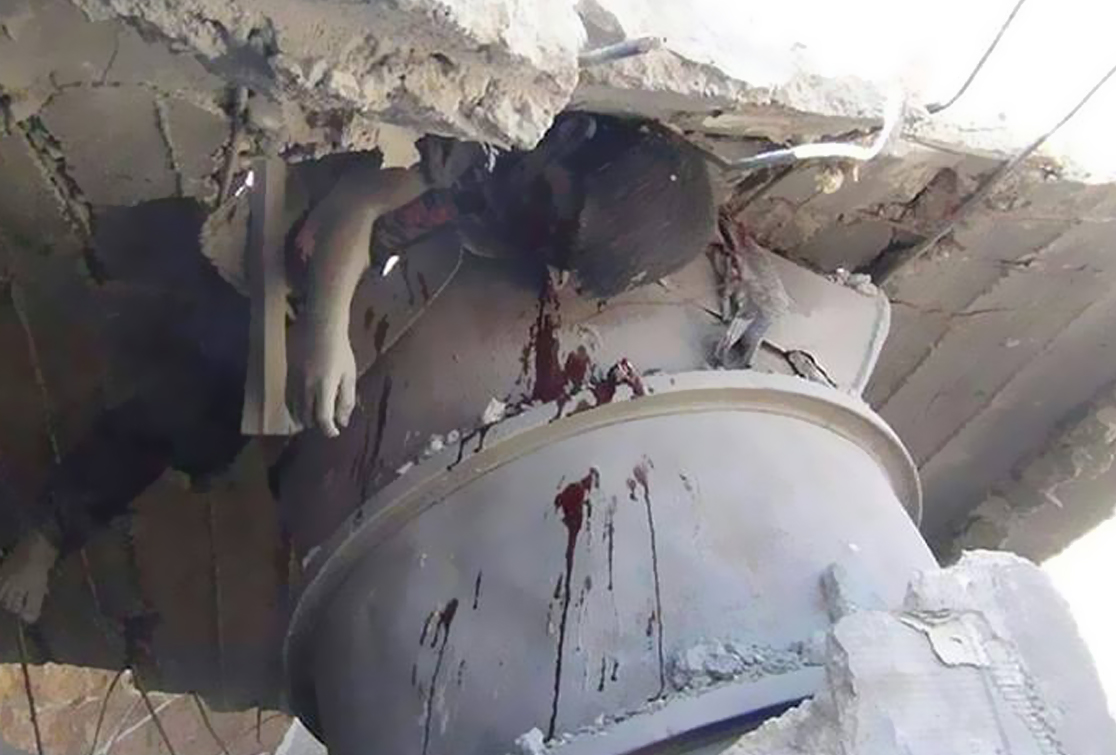
By daily observing and recording violations, after the beginning of the popular protests in March 2011, we found out that first significant use of barrel bombs by government forces (Military forces, security forces, local militias, and foreign Shiite militias) was on Monday 1 October, 2012 in Idlib – Silqean town where a helicopter dropped a barrel bomb on a two-floor residential building which collapsed completely and 32 civilians, including seven women and seven children, were killed in addition to 120 others who were injured as shrapnel scattered everywhere.

It is worth noting that this might not be the first time barrel bombs were used but it was the first time it was used in such a notable manner. The international community was not familiar with that kind of weapon yet. Barrel bombs sometimes weigh quarter of ton and rely on the free fall principle. These barrels are random weapons and locally made, since it is less expensive, causes massive destruction, and causes a great loss of lives. 99% of the casualties are civilians, where the percentage of targeted women and children ranges between 12 and 35%.
full pdf report

ShareTweetShareSend

Related Posts

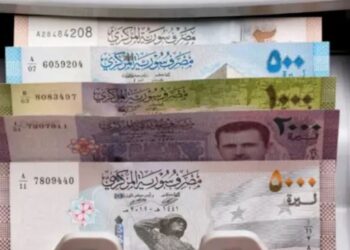
Currency Reform in Post-Assad Syria: Symbolic Legitimacy and the Path to Transitional Justice
Articles

Currency Reform in Post-Assad Syria: Symbolic Legitimacy and the Path to Transitional Justice

29 December 2025
Iran’s Hostage Diplomacy: A Test of International Law Enforcement and the Limits of Accountability
Articles

Iran’s Hostage Diplomacy: A Test of International Law Enforcement and the Limits of Accountability

28 December 2025
Composing The National Anthem in Transitional Contexts
Articles

Composing The National Anthem in Transitional Contexts

21 December 2025
The Lifting of Secondary Sanctions under the Caesar Act: A Legal Shift and Its Implications for Financial and Investment Compliance
Articles

The Lifting of Secondary Sanctions under the Caesar Act: A Legal Shift and Its Implications for Financial and Investment Compliance

19 December 2025
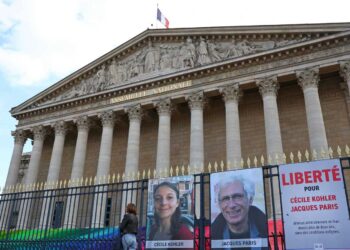
France Ambitious Attempt to Arrest Bashar al-Assad
Articles

France Ambitious Attempt to Arrest Bashar al-Assad

12 December 2025
Transitional Justice in Syria: Between Forced Coexistence and the Necessity of Accountability
Articles

Transitional Justice in Syria: Between Forced Coexistence and the Necessity of Accountability

9 December 2025
Tweets by Fadel
Fadel Abdul Ghany

Fadel Abdulghany

Founder and Head of the Syrian Network for Human Rights from June 2011 to date.

Master’s in International Law (LLM)/ De Montfort University/ Leicester, UK (March 2020).

Bachelorette in Civil Engineering /Projects Management / Damascus University.

Recent Posts

  • Currency Reform in Post-Assad Syria: Symbolic Legitimacy and the Path to Transitional Justice
  • Iran’s Hostage Diplomacy: A Test of International Law Enforcement and the Limits of Accountability
  • Composing The National Anthem in Transitional Contexts

Quick links

  • Home
  • BIO
  • Articles
  • Researches
  • Quotes to the Media
  • Transitional Justice
  • Interviews
    • Videos
    • Talks and Lectures

© 2023 SNHR - Fadel Abdul Ghany.

No Result
View All Result
  • Home
  • BIO
  • Articles
  • Researches
  • Quotes to the Media
  • Transitional Justice
  • Interviews
    • Videos
    • Talks and Lectures

© 2023 SNHR - Fadel Abdul Ghany.

Welcome Back!

Login to your account below

Forgotten Password?

Retrieve your password

Please enter your username or email address to reset your password.

Log In

Add New Playlist