Sign of authoritarianism
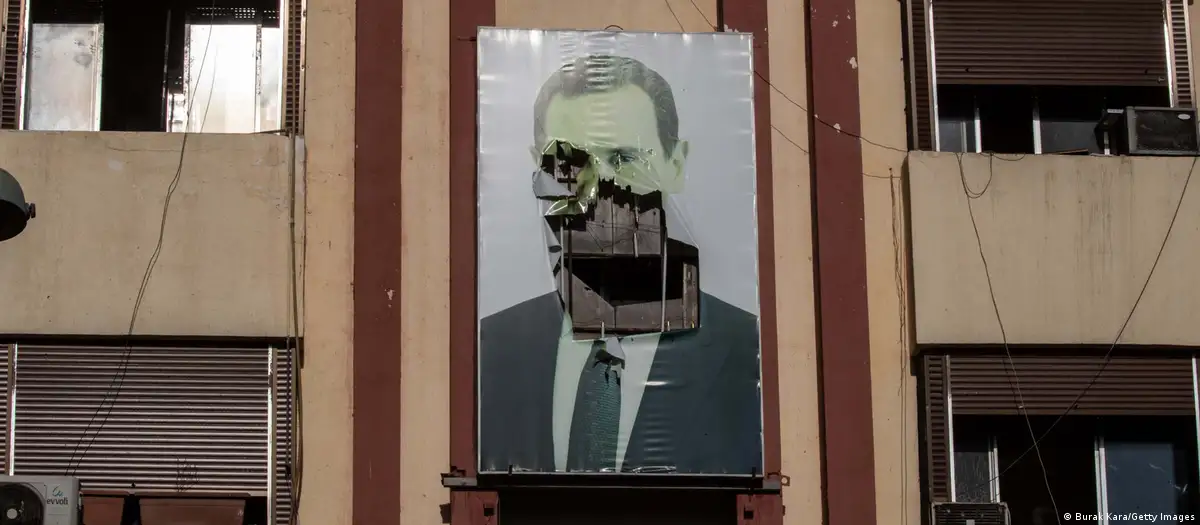
As a result of all the confusion, there’s a question that keeps coming up: Are these obstructions deliberate policy by Syria’s interim government, a possible sign the country is heading back toward authoritarianism?
“We want to have hope, we want to believe this isn’t deliberate,” said the founder of a Syrian human rights monitor, speaking to DW off-the-record because they’re still trying to register in Syria. “We know that the state doesn’t have full control of everything. But it seems unnecessarily complicated and with what we’ve seen happening last year, it’s just so hard to know,” they explained, referring to recent intercommunal violence that government forces played some part in.
“It’s true there is complexity and bureaucracy. They [the government] should be more transparent and this law does need to be changed,” said Fadel Abdul Ghany, head of the Syrian Network for Human Rights, or SNHR, which has been reliably documenting abuses on all sides since the beginning of Syria’s civil war. “But that happens everywhere. We also faced difficulties registering our organization and were unable to open a bank account in France,” he explained.
SNHR is now registered in Syria, works freely and is able to be critical of the state, Abdul Ghany said. And he pointed out that it was important to consider context.
“Syria is still devastated from conflict and look at what we inherited from the Assad regime — corruption, lack of funding, lack of experience, destroyed institutions,” he told DW. “I’ve met with ministers, I’ve visited the ministries and they all say they want reform. But it’s not easy.”