Fadel Abdulghany
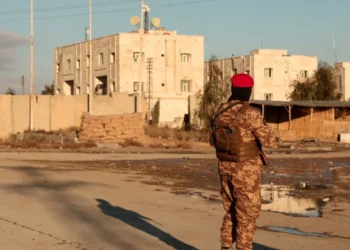
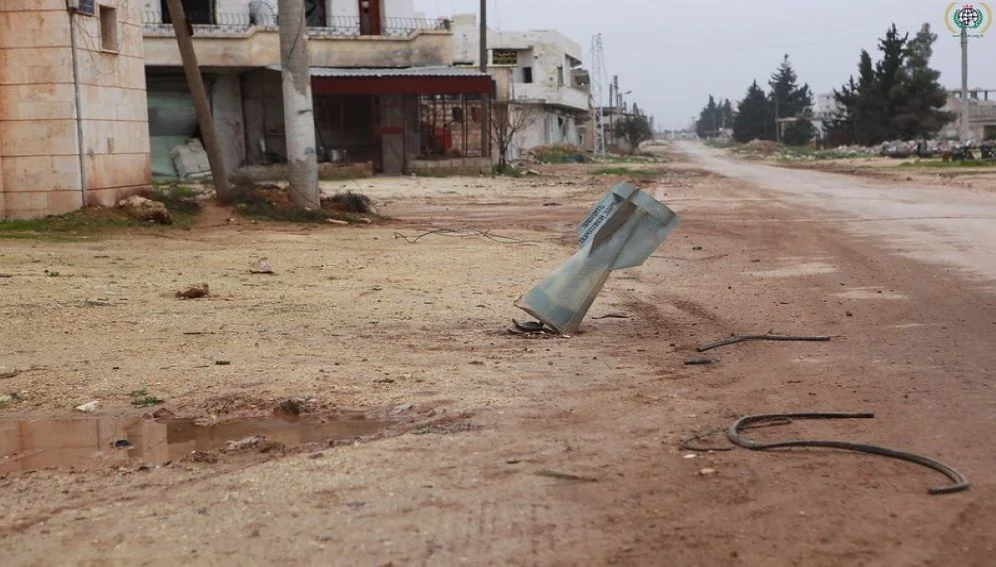
More than a decade after the outbreak of armed conflict, Syria remains one of the most heavily contaminated countries in the world with explosive remnants of war. The proliferation of landmines, unexploded ordnance, and cluster munition remnants has turned vast areas of Syrian territory into deadly environments, so that the effects of violence continue to claim civilian lives and cause lasting disabilities even after the cessation of hostilities.
The international community has developed two main treaty frameworks for addressing the humanitarian impact of landmines and cluster munitions. The 1997 Anti-Personnel Mine Ban Convention, also known as the Ottawa Treaty, prohibits the use, stockpiling, production, and transfer of anti-personnel mines and requires their removal from affected areas.
Similarly, the 2008 Convention on Cluster Munitions imposes a comprehensive ban on cluster munitions due to their inherently indiscriminate nature and the high percentage of submunitions that fail to detonate on impact, making them a constant threat similar to landmines. Syria is not a party to either convention, which has contributed to the extensive use of these weapons during the years of conflict.
Available data reveals a disparity in the impact of these weapons in terms of usage patterns and humanitarian consequences, with the Syrian Network for Human Rights continuing to document casualties occurring in contexts related to civilians’ daily lives and livelihoods. The geographical spread of contamination is wide, concentrated along former front lines, in areas that have experienced frequent changes in control, and in areas subjected to intense aerial bombardment.
Northwest Syria, including Idlib and the Latakia countryside, is among the areas most affected by the length of the front lines, the heavy use of cluster munitions, and the resulting large-scale displacement followed by partial and disorganized return movements.
Pollution extends across a highly diverse terrain, from the agricultural lands of the Euphrates basin to the mountainous and forested areas of the coast and its surroundings. This geographical complexity further complicates survey and removal operations, as dense vegetation cover, unstable terrain, and difficult access to many sites hinder technical surveying and systematic removal procedures.
The absence of comprehensive pollution maps further complicates effective planning, and forces communities to deal with unmarked minefields and debris as part of their daily reality, exacerbating risks and limiting the ability to utilize land and roads.
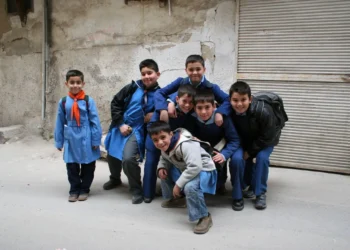
Children bear a disproportionate burden in this crisis; data indicates a rising number of child casualties, a pattern consistent with global trends in victims of explosive remnants of war. This is due to a number of factors, most notably children’s natural curiosity, their preference for outdoor play, and the deceptive appearance of many small munitions, which may look harmless or resemble toys.
In addition to children, displaced people returning to their areas, agricultural workers, herders, and residents of rural and semi-rural areas face increased risks because their livelihoods require direct contact with contaminated land and the use of unpaved roads or side paths where warning signs are few or completely absent.
The effects of these injuries are not limited to direct physical harm; they often result in permanent disabilities, profound psychological repercussions, and various forms of social and economic marginalization. Thus, the crisis transcends the realm of public safety, becoming a protracted public health emergency with long-term consequences for disability and poverty indicators, as well as for societal resilience and recovery.
Available evidence suggests that landmine laying in Syria has, in many cases, followed patterns that go beyond temporary tactical necessities and approach systematic practices with predictable civilian impact. These patterns include the creation of defensive mine belts along front lines, the deliberate contamination of agricultural land and vital routes to undermine civilian livelihoods and impede their return, and the systematic destruction of residential buildings and civilian infrastructure.
These practices raise serious concerns under international humanitarian law, as some appear designed to cause foreseeable harm to civilians that far exceeds the scope of direct military operations. Furthermore, the laying of mines in or around homes directly violates the right to safe housing and is akin to collective punishment, which is prohibited under the Fourth Geneva Convention. It also contravenes the principles of distinction, proportionality, and taking all necessary precautions to protect the civilian population.
Local actors, particularly the Syrian Civil Defense and other field actors, have undertaken crucial survey, awareness, and cleanup efforts despite severe resource constraints. However, the scale of the pollution far exceeds available capacity in terms of specialized equipment, advanced technical training, sustainable funding, and professional data management standards.
Procedural constraints and access complexities, including multiple approval requirements and shifting security environments, also contribute to slowing the response and diminishing its impact. Meanwhile, the international response reveals a clear gap between escalating humanitarian needs and the logistical, material, and technical support that is consistently available.
Establishing a national mine clearance coordination mechanism is becoming an urgent necessity, ensuring the adoption of a unified methodology for surveying and mapping, centralized data management, and comprehensive victim assistance and rehabilitation programs, along with organizing communication with international partners who possess the technical expertise and financial resources necessary to support effective and large-scale clearance operations.
Rapid political developments may also provide opportunities to expand international cooperation and ease some procedural obstacles, provided that this is coupled with a transparent institutional framework, a clear definition of roles, and priorities based on an evidence-based risk assessment.
Finally, landmine and cluster munition remnants contamination in Syria represents a very serious sovereignty, development and human rights crisis; it impedes the safe return of displaced persons, deepens food insecurity by disrupting access to agricultural land, restricts reconstruction efforts and generates continuous waves of death, disability and poverty.
Addressing this legacy requires sustained political will, significant international investment, and an integrated legal and institutional framework capable of coordinating removal processes, developing victim assistance systems, and establishing actionable accountability pathways.
Until these remnants of war are systematically and sufficiently removed, the impact of the conflict will remain in the lives of Syrians, and the drain on society will continue generation after generation.