Following a large-scale joint US-Israeli military operation against Iran on last month, which led to the killing of Supreme Leader Ali Khamenei and the destruction of large parts of the military and nuclear infrastructure in several Iranian provinces, the Iranian Revolutionary Guard launched a wide-ranging retaliatory campaign.
The campaign did not target Israel alone, it also attacked the United Arab Emirates, Bahrain, Qatar, Kuwait, Saudi Arabia and Oman. For the first time, all member states of the Gulf Cooperation Council were subjected to a simultaneous armed attacks by a single actor within 24 hours.
No authorisation was issued by the UN Security Council for the 28 February operation, and neither the United States nor Israel presented evidence of an armed attack on their territories or citizens, that would justify resorting to self-defence. More importantly, the strikes were carried out while a negotiation track mediated by Oman was underway, within which Iran had announced its acceptance of abandoning the development of materials suitable for the manufacture of a nuclear weapon.
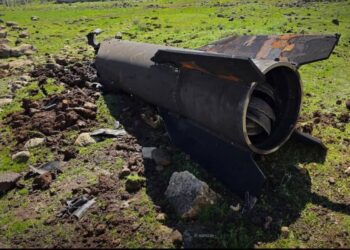
In principle, Iran possesses the right to self-defence under Article 51 of the UN Charter, provided that the Iranian response meets the standards of international law. Iran directed hundreds of ballistic missiles, cruise missiles and drones towards US military installations located on the territory of sovereign states that were not parties to the attack on Iran.
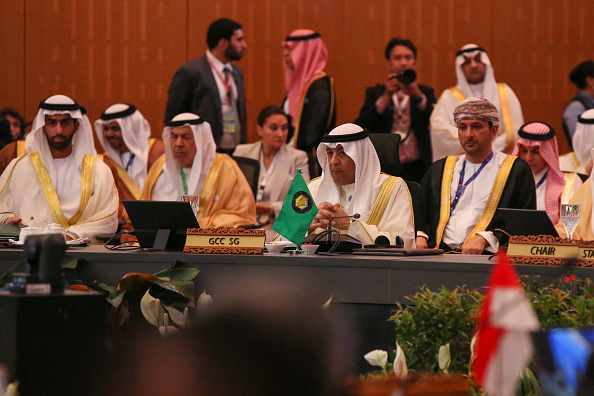
The secretary-general of the GCC, Jasem Albudaiwi, confirmed that these states had repeatedly clarified to Tehran – in meetings and on various occasions – that they would not allow the use of their territory or airspace for any military operations against the Islamic Republic.
The question of whether a state hosting foreign military bases becomes a legitimate target merely because those bases are used in operations against a third state, remains one of the most contested issues in contemporary legal scholarship related to the laws governing the use of force and of armed conflict.
The prevailing view, grounded in the principle of sovereign equality and the prohibition of the use of force, holds that the mere presence of foreign military facilities does not transform the host state into a participating party in the war, particularly if the host state has neither authorised the relevant military operations nor actively facilitated them.
The comprehensive Iranian characterisation of all US bases in the region as legitimate targets erases this legal distinction. It treats host states as an extension of US military power, thereby undermining the substance of their sovereignty guaranteed under international law.
The GCC rejected this logic outright via the Bahrain ambassador to the UN Security Council. It held Iran fully responsible for the attacks and stressed that any justification or arbitrary interpretation of international law cannot confer legitimacy on such conduct.
Even when a state possesses a legal basis for the use of force, international humanitarian law imposes strict constraints on the conduct of hostilities.
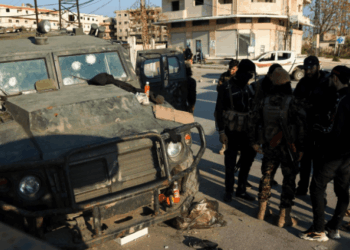
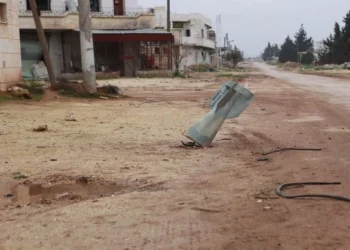
In the Gulf states, at least four people were killed, and more than 100 were injured, while civil airports in Dubai, Abu Dhabi and Kuwait were damaged. Residential buildings in Bahrain were directly targeted, and a drone struck housing in Duqm, Oman.
Fires also broke out in the Burj Al Arab in Dubai due to debris from intercepted missiles, and vital commercial infrastructure, including Jebel Ali Port in Dubai, came under bombardment. In Bahrain, the interior ministry evacuated residents from the Juffair area after dense smoke rose near the US Fifth Fleet headquarters, which is located within a densely populated residential district.
Iran targeting the Gulf states reflects calculations based on externalising the conflict rather than absorbing strikes in silence. From Tehran’s perspective, if regime survival is at stake, incentives to contain the confrontation geographically diminish significantly. Expanding the theatre of operations raises costs for US partners and sends a message that any attempt to dismantle the Iranian regime will produce broad repercussions across the region.
The speed of the Iranian response, which occurred roughly four hours after the initial strikes, also suggests prior preparedness and coordination. This indicates that despite the decline in Iranian capabilities during the confrontation in June 2025, Iran retained a significant capacity to carry out missile and drone strikes.
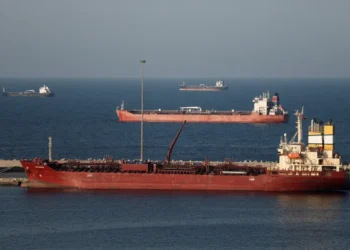
Moreover, disruption to traffic through the Strait of Hormuz, through which around 13 million barrels of crude oil pass daily, posed a direct threat to the global energy supply chain. Some vessels came under attack, oil tanker traffic halted, oil prices rose by around 10%, and airspace was closed in at least eight countries. Whether this crisis becomes a turning point toward de-escalation or a gateway to a broader regional war depends on choices that remain unresolved.