Fadel Abdulghany
Creating a national anthem during political transitions is a crucial task that goes beyond simply composing music and lyrics. In the literature of transitional justice, national anthems are seen as powerful symbols of collective identity, capable of fostering reconciliation or entrenching division, depending on the mechanism by which they are formed.
Studies on political transformations confirm that national symbols do not gain their legitimacy from the strength of the decision or the speed of its adoption, but rather from their emergence within comprehensive and participatory frameworks, not from hasty choices.
Comparative experiences in countries undergoing similar transitions offer important insights into the standards, mechanisms, and timeframes necessary for crafting a national anthem that contributes positively to peacebuilding and the consolidation of democracy. Examining these frameworks reveals that procedural legitimacy is often as significant in its impact and consequences as the substantive content when determining whether an anthem unites society during a transition or exacerbates its divisions.
Transitional justice literature emphasizes that symbols should not be imposed hastily, but rather should gradually develop through institutional mechanisms that allow for community-based processing of the emotional impact of the conflict, ensure stakeholder engagement, and build genuine consensus around shared national identity meanings.
The most successful national anthem adoption processes in transitional contexts have relied on multidisciplinary committees representing diverse sectors of society, rather than being limited to government bodies or competitions run within ministries. The South African model is cited as a benchmark for integrating artistic and symbolic considerations within a broader political framework. The committee responsible for drafting the hybrid national anthem comprised twelve members with diverse expertise and experience, including composers, poets, academics, and representatives of civil society. This allowed for a balance between musical proficiency, literary quality, and cultural sensitivity with the need for broad political legitimacy.
The literature frequently identifies key representation categories for such committees, including: music experts and composers with documented qualifications; poets and writers familiar with symbolic language and its connotations; cultural heritage specialists knowledgeable about diverse traditions; representatives of civil society and human rights advocates; regional and community representatives independent of party structures; constitutional law experts to ensure consistency with constitutional principles and fundamental rights; and youth representatives to guarantee intergenerational legitimacy. This diversity helps prevent any single group from monopolizing the anthem-making process, while simultaneously ensuring a minimum level of both artistic and legal competence.
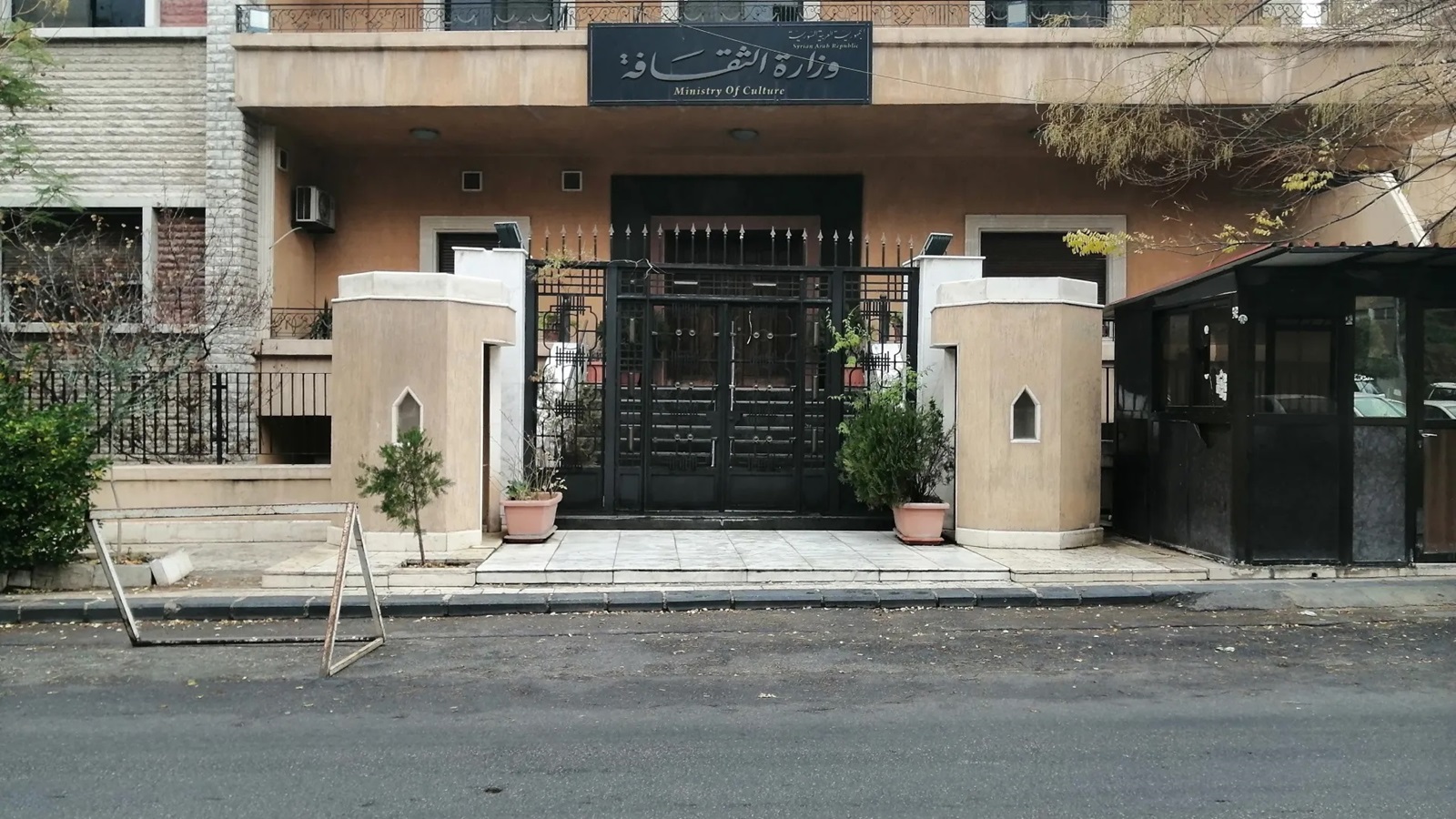
Studies reveal structural shortcomings in approaches that rely solely on ministerial-administered competitions without broader participatory mechanisms. These ministerial-led processes are often perceived as centralized and exclusionary, undermining public ownership of the resulting symbol. The risk of politicization also arises when partisan considerations dominate the formation of selection committees, prioritizing political interests over merit and shared meaning. Furthermore, these approaches typically fail to ensure effective consultation with those most affected by conflict, including internally displaced persons, minorities, and survivors—a crucial requirement for a victim-centered approach to transitional justice.
Without public hearings and published evaluation criteria, the selection process appears arbitrary and unaccountable; political pressure tends to reduce the space for calm deliberations, producing figures incapable of adequately expressing the complex national identity.
The legitimacy of the national anthem in transitional contexts presupposes multi-level participation built upon successive stages. The first stage, a broad public consultation phase, typically extends from three to six months and involves civic awareness campaigns explaining the constitutional role of the anthem and the criteria for its selection, regional consultations to gather perspectives on shared values and red lines, and the engagement of civil society through forums and cultural bodies, along with digital platforms that facilitate the participation of the diaspora.
This is followed by an open competition phase, conducted according to transparent submission guidelines and published evaluation criteria that focus on artistic merit, inclusivity, ease of performance and singing, and symbolic appropriateness. Next comes the evaluation phase by an expert panel, which includes technical review, content review, and a statement of the rationale for selection. Following this, the final proposals undergo performance tests in schools and public spaces, with structured feedback periods allowing civil society and victims’ groups to express their opinions. Finally, legislative or popular ratification—through parliamentary debates or referendum mechanisms—contributes to establishing legitimacy and protecting the symbol from subsequent political challenge.
In short, what I want to say is that crafting a national anthem in transitional contexts is not so much a matter of artistic taste as it is a test of the state and society’s ability to produce a unifying symbol through a legitimate and transparent process. When the process is built on a pluralistic institutional framework, declared standards, and sustained participation that allows for consensus and symbolic healing, the anthem becomes a tool for restoring trust and solidifying shared civic belonging. However, haste and exclusion, no matter how well-intentioned, threaten to transform the symbol into an arena for political conflict and reproduce division. Therefore, investing in procedural legitimacy here is an investment in civil peace and in the symbolic foundation of a nascent democracy.