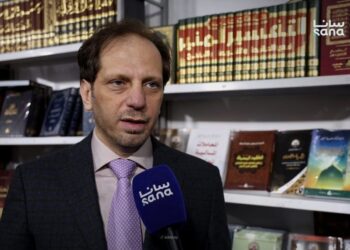
Fadel Abdul Ghani, the Director of the Syrian Network for Human Rights, described the start of trials as a “positive and necessary development”.
“Nevertheless, the information publicly available to date does not establish that comprehensive, independent, and non-selective accountability is in place,” he told The New Arab.
“The appropriate position is therefore one of conditional support accompanied by rigorous critical scrutiny.”
Ghani highlighted several positive aspects of the process, which had its second hearing on 13 July, including the start of judicial proceedings – unprecedented in Syria’s history – and a stated commitment to accountability regardless of status or affiliation, public hearings, and access to defence counsel.
However, he raised several shortcomings and reservations, including insufficient public information, the number of defendants in each case, their affiliation at the time of the massacres, the charges, mechanisms for witness protection, and the process of appeals.
Ghani also took issue with the use of military courts in the trials, raising broader concerns about ensuring equality of the law and of responsibility.
He added that transitional justice was essential to “address the full consequences of the events in Suweida,” calling on the state to ensure the provision of truth, justice, reparations, the return of IDPs, institutional reform, and guarantees of non-recurrence.


site-verification-ok