To help to visualize the extent of those affected by the phenomenon of enforced disappearance among the Syrian people, we at the SNHR must emphasize that 85 percent of the detainees’ cases go on to become enforced disappearances. The detainees’ department of the Syrian Network for Human Rights has made tremendous efforts to try to follow up the cases of detention and enforced disappearance for eight years on a near-constant daily basis, building an extensive database and using programming languages to assist in this.
The Syrian regime continues to detain 81,652 Syrian citizens who are now categorized as forcibly disappeared. The following chart shows the record of enforced disappearances in Syria:
We at the SNHR also have a special database of victims who died due to torture, which we previously shared with the Office of the High Commissioner for Human Rights when it was conducting an analysis of the victims of the conflict in Syria, and tomorrow we will begin to provide the International, Impartial and Independent Mechanism ‘IIIM’ with it. The following chart shows the death toll due to torture in Syria:
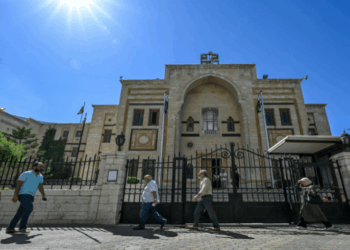
Since April 2018, the Syrian regime began, for the first time since the beginning of the popular uprising in March 2011, to disclose the fate of dozens of those who were forcibly disappeared as dead. This was a shock not only for you or for the media, but also for us as daily followers of the Syrian issue. The Syrian regime has long denied the existence of Syrian citizens who are forcibly disappeared. So, how did the regime know that they had died? The regime is mainly indicted in killing them. We discovered that orders were issued to the civil registry departments to carry out this process, most likely by the regime’s security services.
We have continued with our efforts to follow up these cases, one by one. In our first report, issued on July 13, 2018, we documented 161 cases. In our second report, issued on August 27, 2018, more facts, evidence and documents were made available to us, and we were able to document 836 cases, with the work to document these cases taking nearly four months. We have tried to communicate with the families in each case on a case-by-case basis and to collect the greatest possible data on each case. At present, the number of cases we have documented is 878.
It appears that following the widespread condemnation issued by human rights’ reports and media outlets, and the submission of an official statement by 41 countries to the Security Council, the regime has apparently slowed down the dissemination of information on the fate of more of those who have been forcibly disappeared. While we at the Syrian Network for Human Rights have documented about 900 cases, we must question the real numbers and outcome of the cases submitted by the Syrian regime to civil registry departments in all Syrian governorates. Do the civil registry departments really have only the 900 cases, which we have been able to document? Or has the Syrian regime handed these government departments the details of over 50,000 or perhaps 80,000 of those detained, but decided after doing so to end its revelations of their fate at 900 cases?